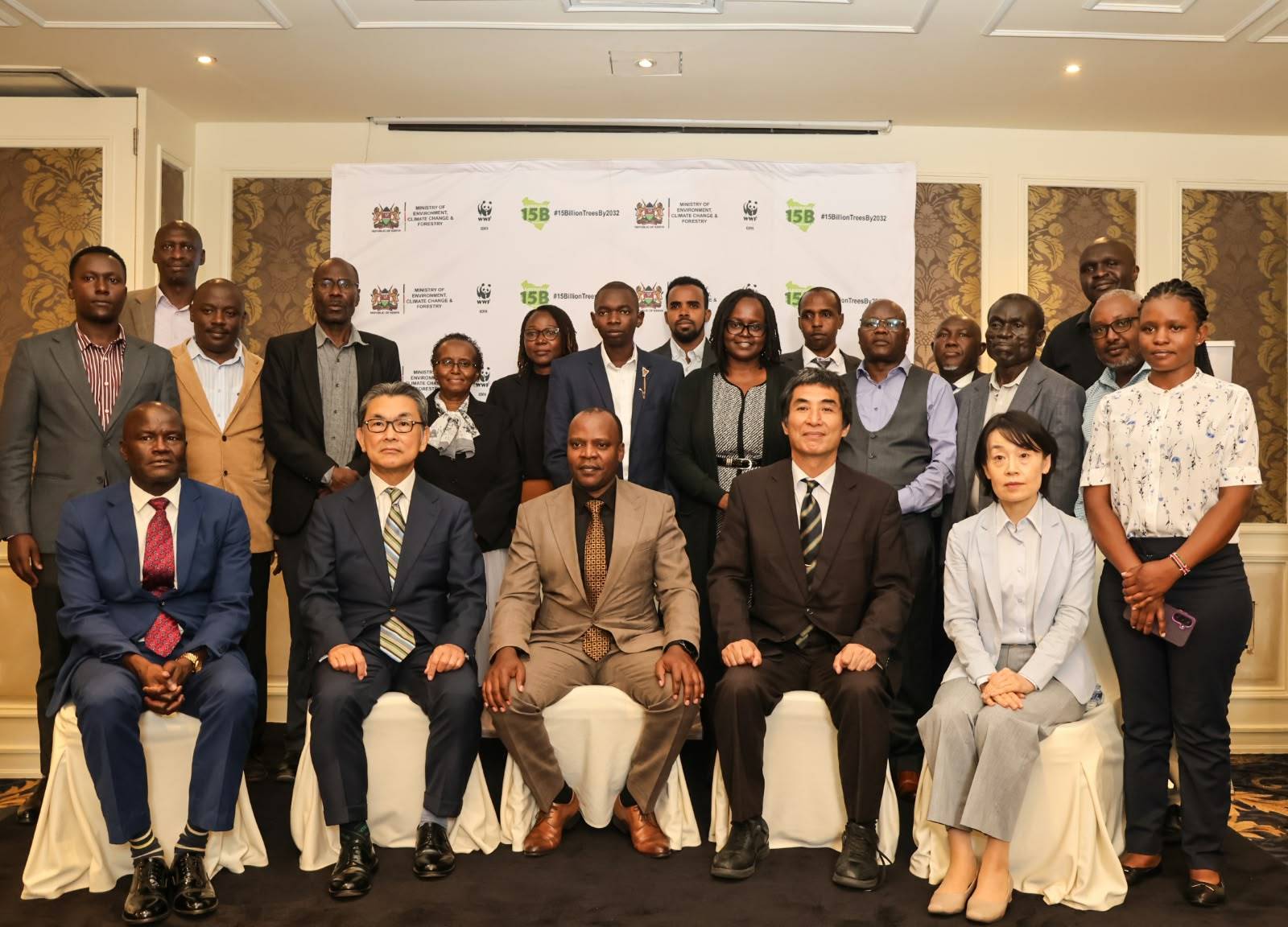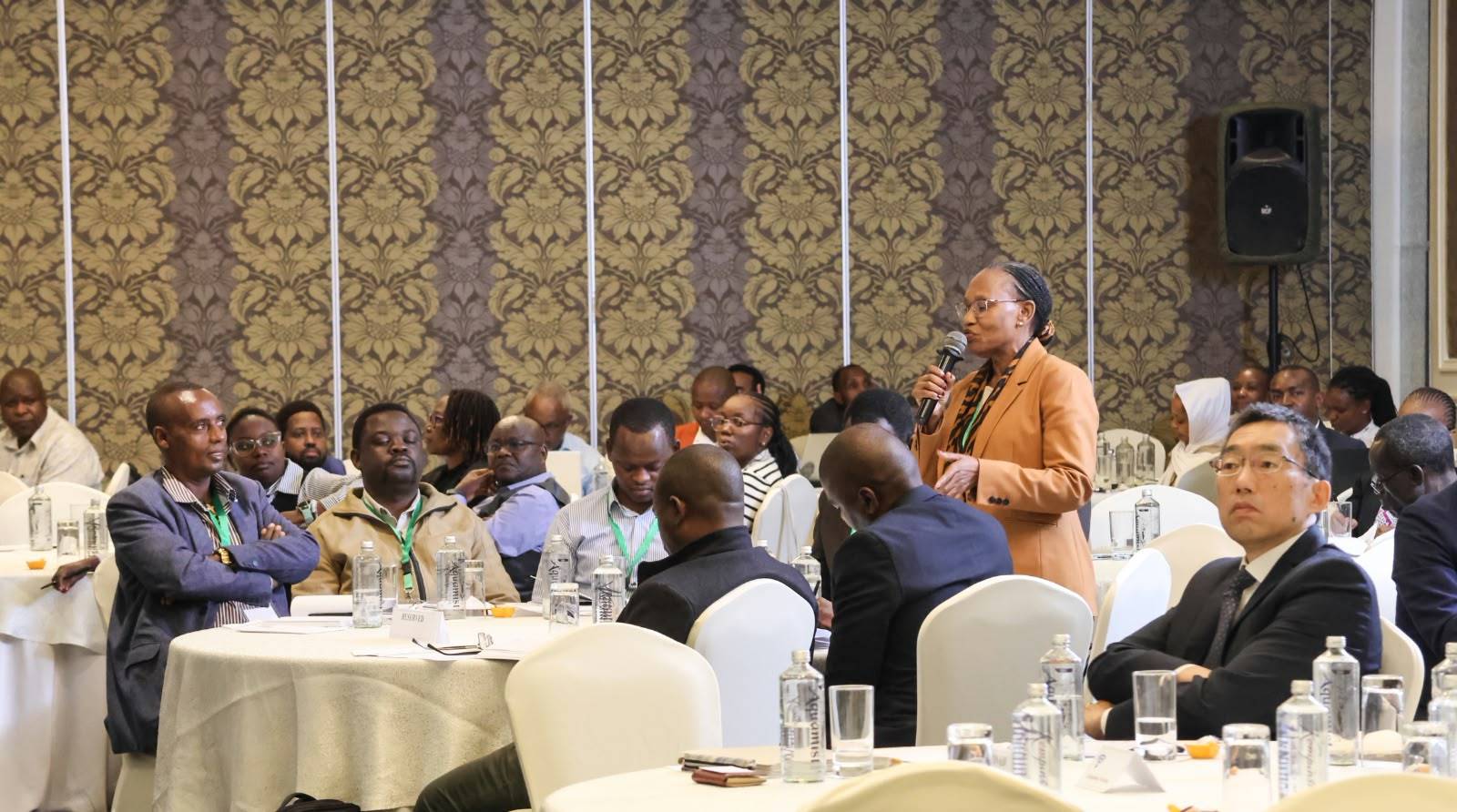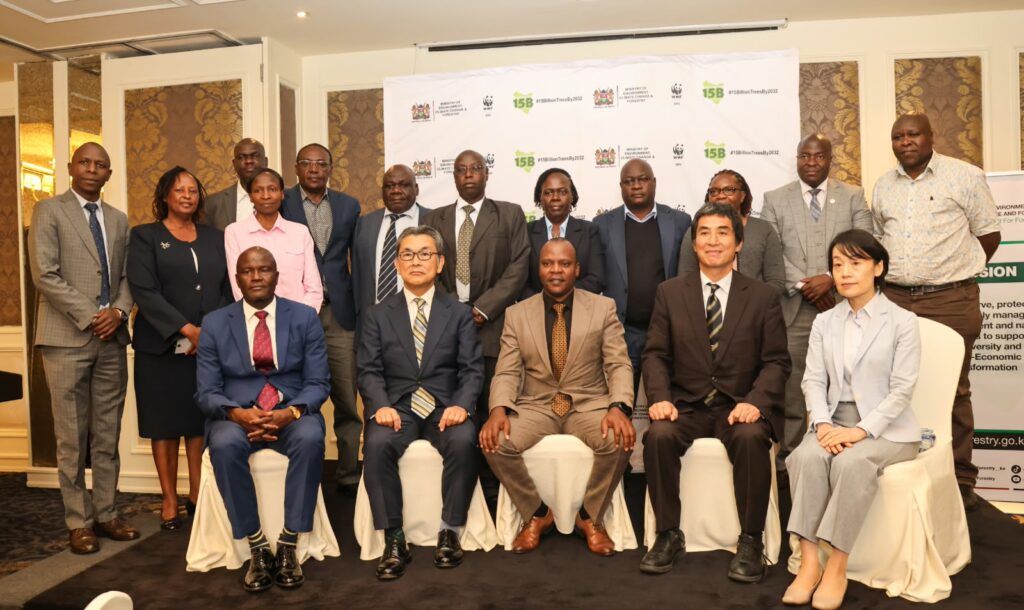
The Principal Secretary, State Department for Forestry, Mr. Gitonga Mugambi, has thanked the Government of Japan for its continued support and collaboration in implementing the Strengthening Forestry Sector Development and Community Resilience to Climate Change Through Sustainable Forest Management and Landscape Restoration (SFS-CORECC) Project.
In a speech read on his behalf by Forest Development Secretary Mr. George Tarus, the PS noted that Japan, through the Japan International Cooperation Agency (JICA), had played a significant role in strengthening Kenya’s forestry sector through more than 40 years of bilateral cooperation in forestry development.
Addressing the seminar, the Ambassador of Japan to Kenya, His Excellency Matsuura Hiroshi, emphasised the importance of balancing commercial forestry with the conservation of natural forests, noting that both were critical to the country’s sustainable development. He observed that commercial timber harvesting should not be viewed negatively when conducted legally and sustainably.
The Ambassador reaffirmed Japan’s commitment to continued collaboration with Kenya in advancing forestry development, building on the longstanding partnership between the two countries.
In a speech read on his behalf, the Chief Conservator of Forests (CCF), Mr. Alex Lemarkoko, noted that the project had strengthened forest monitoring systems and developed tools to improve the collection, management and utilisation of forest data. He emphasised that reliable information was essential for evidence-based planning, monitoring forest conditions, evaluating management interventions and reporting on national forestry and climate commitments.
“Achieving Kenya’s forestry and landscape restoration goals requires strong institutions, reliable information, sound management practices and effective partnerships. In this regard, the SFS-CORECC Project has provided valuable support in two areas central to KFS’s mandate: forest monitoring and data management, and commercial forestry development,” he said.
Representing the CCF, the Principal Deputy Chief Conservator of Forests in charge of Forest Conservation and Management, Dr. Clement Ng’oriareng’, observed that the project had demonstrated the potential of commercial forestry to enhance timber supply, attract investment and diversify livelihoods, particularly in dryland areas. He noted, however, that realising this potential depended on functional value chains supported by quality planting materials, technical expertise, processing capacity and access to markets.
The seminar also featured the launch of the National Forest Monitoring System–Forest Information Platform (NFMS-FIP), which will facilitate the collection, integration, analysis and sharing of information on Kenya’s forests and forest ecosystems. The Tree Cover Monitoring Tool was also launched to track changes in the country’s tree cover.
The two tools are expected to strengthen forest monitoring and support the implementation of the 15 Billion Tree Growing Campaign, which aims to increase Kenya’s tree cover to at least 30 per cent by 2032.
The five-year SFS-CORECC Project, scheduled to conclude in 2027, is being implemented in collaboration with the State Department for Forestry and the Kenya Forestry Research Institute (KEFRI). It covers eight counties: Embu, Kitui, Kilifi, Kwale, Makueni, Nyeri, Taita-Taveta and Tharaka-Nithi. The project has also promoted the adoption of drought-resistant tree species, including Melia volkensii, to strengthen climate resilience and support sustainable livelihoods.
Also present were the Director General of the Forest Tree Breeding Center, Mr. Osamu Shimada; JICA Japan Senior Director Ms. Akiko Tabata; Deputy Chief Conservator of Forests for Dryland Forestry, Ms. Jane Ndeti; President of the Forestry Society of Kenya, Ms. Charity Munyasia; Regional Forest Conservators Anthony Musyoka and Monica Ndirangu, representing the Eastern and Central Conservancies, respectively; and SFS-CORECC Project Manager Ms. Beatrice Atemo, among other guests.